
Diamonds captivate with their rarity and distinctive shapes, which are meticulously designed to enhance beauty and brilliance by influencing how light interacts with the gemstone. Popular diamond shapes, such as the classic round, the elegant marquise, and the innovative Cushion Shape, are carefully crafted to maximise sparkle through their symmetry. Engagement rings frequently feature traditional designs, including the Asscher Shape Diamond, Pear Cut Diamond, and Emerald-Cut Diamond Ring, each offering a unique and striking appearance. Three-stone rings and diamond solitaire engagement rings further highlight clarity and personal style, appealing to the biggest diamond jewellery lovers, for example, those who appreciate intricate designs or minimalist elegance.
For broader context, compare this point with the diamond jewellery basics.
In the diamond industry, businesses throughout diamond districts, such as Antwerp, New York, and Mumbai, observe consumer preferences and trends, providing an array of diamond cuts to cater to various tastes. There is a shape for everyone, from the flat facet designs of baguette diamonds to elaborate halo settings that enhance a diamond’s brilliance. Contemporary elegance is achieved through larger diamond cuts alongside innovative designs, including hybrids like the heart shape diamond. These choices reflect individual style and ensure that engagement rings possess immaculate brilliance, showcasing the unique personality of the wearer.
What is a diamond shape?
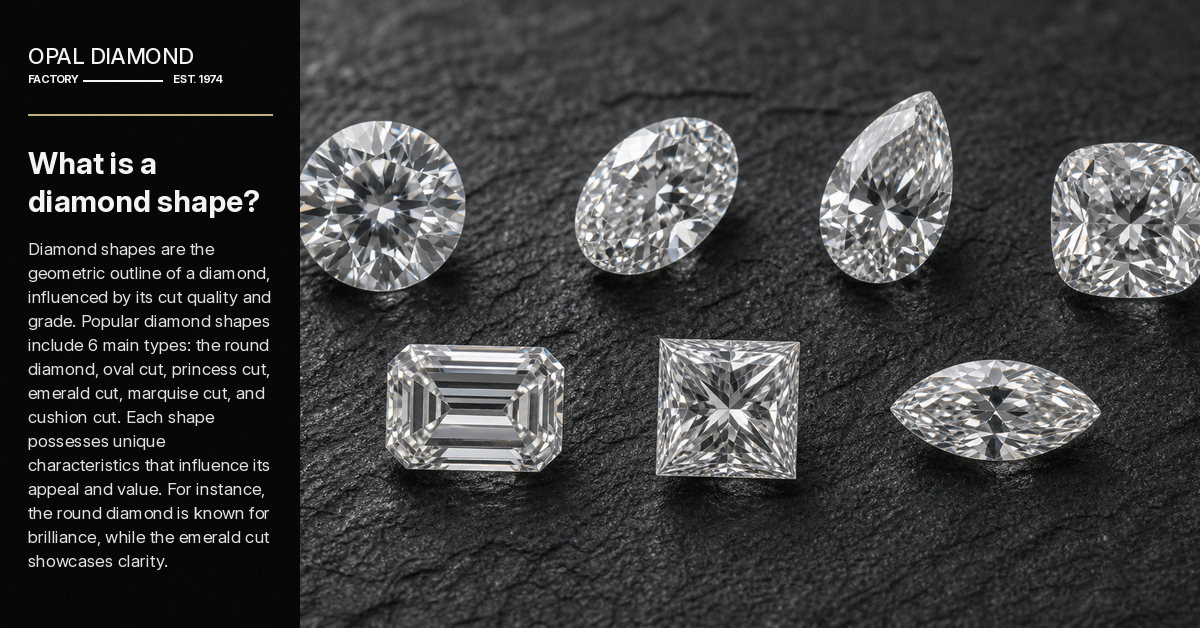
Diamond shapes are the geometric outline of a diamond, influenced by its cut quality and grade. Popular diamond shapes include 6 main types: the round diamond, oval cut, princess cut, emerald cut, marquise cut, and cushion cut. Each shape possesses unique characteristics that influence its appeal and value. For instance, the round diamond is known for brilliance, while the emerald cut showcases clarity.
What are symmetric gem types?
Symmetric gem types are those that exhibit uniformity and balance in their shape, which often contributes to their brilliance and sparkle. These gemstones are favoured for their ability to reflect light evenly, creating a stunning visual appeal.
There are 8 popular symmetric gem types:
| Gem Type | Description |
|---|---|
| Round Brilliant Diamond | Known for its maximum sparkle, the average round-cut diamond is a classic design and a top choice for engagement rings. Its 58 facets provide incredible brilliance. |
| Princess Cut | This gem type features a square or slightly rectangular shape with pointed corners. Its symmetric design provides a high degree of sparkle, making it a favourite. |
| Emerald-Cut Diamond | A leader in diamond traceability, the emerald-shaped diamond exudes a sophisticated and elegant appeal with its step-cut facets and rectangular shape. |
| Asscher Cut | This symmetric gem type has a high crown and small table, similar to an emerald cut but with a square shape and more facets for added brilliance. |
| Cushion Cut Diamond | Cushion diamonds combine a square cut with rounded edges, offering a distinctive appearance that is both classic and elegant. They are often featured in sets. |
| Radiant Shape | A hybrid of styles, the radiant cut combines the brilliance of a round diamond with the elegant shape of an emerald cut, resulting in a gorgeous diamond shape. |
| Baguette Diamonds | Often used in baguette diamond bands, these gems have a rectangular shape with step-cut facets, providing a clean, geometric look. |
| Oval Cut | This symmetric gem type elongates the finger and offers a flashy style with its rounded edges and impressive carat size. |
| Marquise Cut | With its distinctive shape featuring pointed ends and a curved middle, the marquise cut offers a unique and elegant look. |
These symmetric gem types, along with other innovative diamond shapes, such as the trillion or a flanders cut, and ambiguous diamond cuts, provide a guide to diamond shapes that cater to various tastes and styles. Whether set in a bezel or half-V setting, a diamond-encrusted setting, or an elegant diamond pave ring, these symmetric gems offer immaculate brilliance and a distinctive appearance, making them ideal for engagement rings and other fine jewellery pieces, like pendants or earrings.
What is a faceted morphological catalogue?
A faceted morphological catalogue is a structured classification system used to organise and describe various shapes, cuts, and forms of diamonds and other gemstones, for example, sapphires or rubies, based on their physical attributes. It breaks down gemstone morphology into distinct categories, or “facets,” such as the number and arrangement of facets, overall shape, symmetry, and cutting styles.
This catalogue serves as a comprehensive guide for jewellers, gemologists, and enthusiasts, aiding in informed decision-making when selecting a gemstone. Individuals can better appreciate and choose the perfect stone for their needs, if they understand the unique qualities and intricacies of each gemstone through this system, enhancing their overall satisfaction and the value of their gemstone experience.
What are prismatic aesthetic standards?
Prismatic aesthetic standards refer to the principles and qualities that define beauty and visual appeal in objects or designs that exhibit prismatic effects. These standards are influenced by the way light is refracted and dispersed, creating a spectrum of colours, like red, blue, and green, and sharp angles that evoke a sense of wonder and awe in observers. Prismatic effects are commonly seen in nature, such as in 3 examples: rainbows, gemstones, and water droplets, and are often incorporated into art and design to enhance visual impact.
Designers and artists may employ prismatic effects to achieve maximum sparkle and brilliance, if they wish to create intricate and dynamic visual experiences, making these standards particularly relevant in fields like jewellery design, where the interaction of light with faceted gemstones is important.
What are the 10 popular diamond shapes?
Diamonds are renowned for their rarity and brilliance, with their shape significantly influencing these qualities. There are 10 popular diamond shapes: the Round Brilliant, Princess Cut, Oval Cut, Marquise Cut, Pear Cut, Cushion Cut, Emerald Cut, Asscher Cut, Radiant Cut, and Heart Shape. These shapes cater to various tastes and preferences, making them popular choices for engagement rings and other jewellery pieces, such as necklaces or bracelets.
The Round Brilliant is renowned for its classic appeal and maximum sparkle. The Princess Cut features a square or slightly rectangular shape with pointed corners. The Marquise Cut offers a unique appearance with pointed ends and a curved middle, while the Pear Cut combines elements of oval and marquise cuts in a teardrop shape.
What is a round diamond?
The round diamond, known for its elegance and versatility, is a popular choice for engagement rings due to its symmetrical design that maximises light reflection, resulting in an unmatched brilliant sparkle. This shape symbolises timeless beauty and romance. The brilliance and cut round perfection make round diamonds a favourite among couples celebrating love, if they appreciate classic aesthetics.
What is a princess cut?
The princess cut is a modern classic diamond with a striking appearance and contemporary appeal. Its square or rectangular silhouette combines brilliance with clean lines, making it a popular choice for various ring styles, including solitaire cuts, three-stone rings, and halo settings. Customers can choose the perfect centerpiece for their cherished moments, if they understand the shape’s aesthetics and durability, making it a popular choice for diamond ring purchases.
What is a cushion cut?
The cushion cut diamond is a classic shape with rounded corners, combining vintage charm with modern brilliance. Its unique face-up size maximises visual impact and enhances clarity. This cut is ideal for engagement rings and appears larger than carat weight, appealing to those who appreciate beauty and value. Its timeless elegance and versatility make it a popular choice among discerning buyers.
What is a radiant cut?
The radiant cut is a popular choice for those seeking a blend of angular and geometric shapes in diamonds. With fifty-seven perfectly aligned facets, it maximises sparkle, captures light beautifully, and produces a breathtaking display of brilliance. This versatile diamond is a striking yet sophisticated choice that captivates the eye, if you desire a stone for both traditional and contemporary styles.
How does an oval diamond differ?
An oval diamond distinguishes itself from other popular diamond shapes, such as the round or princess cut, with 5 unique characteristics:
- Shape and Appearance: It features an elongated shape with rounded edges.
- Finger Elongation: It creates the illusion of longer, more slender fingers.
- Brilliance and Bow-Tie Effect: It offers high brilliance but may exhibit a “bow-tie effect”, a dark area shaped like a bow tie across the center.
- Carat Weight: It appears larger than round diamonds of the same carat weight due to its elongated shape and larger surface area.
- Versatility: It can be set in various ring styles, such as solitaire, halo, or three-stone settings.
These unique features make oval diamonds an appealing and distinctive choice for engagement rings and other jewellery pieces, like earrings or pendants, if you are looking for an affordable option for a larger-looking diamond.
What is a pear diamond?
A pear diamond is a distinctive diamond shape with a rounded end and a tapered point, resembling a teardrop. This elongated shape enhances brilliance and sparkle, making it an excellent choice for various diamond ring shapes, for instance, solitaires or vintage-inspired designs. With an average diamond size, pear-shaped diamonds can elongate fingers, offering a perfect blend of elegance and charm in fine jewellery, if you desire a unique silhouette.
Why choose an emerald cut?
Choosing an emerald cut diamond offers elegance and sophistication with its rectangular shape and step-cut facets, creating a hall-of-mirrors effect that highlights the diamond’s clarity and colour. This cut is perfect for those who prefer a more subtle sparkle and want to showcase a high-quality, high-clarity stone. The elongated shape of the emerald cut can make the finger appear longer and more slender, making it a popular choice for engagement rings.
Its versatility allows it to be set in various styles, such as classic solitaire, elaborate Art Deco designs, and modern bezel settings, appealing to both vintage and modern tastes. The emerald cut’s unique appearance makes it a distinctive and eye-catching choice, if you are seeking something different from more common cuts like the round or princess.
What makes an asscher cut unique?
The Asscher cut is unique due to its square shape with cropped corners, creating an octagonal appearance and a distinctive X-shaped pattern. Its high crown, small table, and deep pavilion produce a captivating blend of brilliance and fire. The Asscher cut offers a vintage, geometric elegance that emphasises a diamond’s clarity and depth, if you appreciate designs originating from the Art Deco period. Its rarity adds to its allure, making it a unique and extraordinary choice for engagement rings or other jewellery pieces, such as stud earrings or pendants.
What is a heart-shaped diamond?
Heart-shaped diamonds, characterised by soft curves and sharp lines, are a unique and captivating design that captures the essence of romance. These elongated diamonds, a favourite among modern and vintage lovers, symbolise love and are perfect for daintier settings. Their design emphasises the connection between elegance and emotion, making them a favourite choice for meaningful gifts, for example, anniversary presents or Valentine’s Day surprises. The heart shape is a timeless representation of affection and devotion.
Which 6 shapes maximise brilliance?
The 6 diamond shapes that maximise brilliance are those designed to optimise light reflection and dispersion. The following shapes are renowned for their exceptional brilliance:
- Round Brilliant: It is considered the most brilliant of all diamond cuts; its 58 facets maximise light return.
- Princess Cut: It offers a high degree of brilliance, similar to the round brilliant.
- Oval Cut: It provides excellent brilliance, combining the sparkle of a round brilliant with a unique form.
- Marquise Cut: It offers a high level of brilliance and a large surface area.
- Pear Cut: It provides excellent brilliance and a unique, romantic appearance.
- Radiant Cut: It offers a high degree of brilliance with its numerous facets.
These shapes are designed to maximise the interaction of light with the diamond, resulting in exceptional brilliance, fire, and sparkle.
Which 5 shapes look largest?
To maximise the appearance of size in a diamond, consider the following 5 shapes that can look larger than their actual carat weight:
- Oval Cut: Its elongated shape and large surface area create the illusion of a bigger diamond.
- Marquise Cut: Its long, narrow shape with pointed ends makes it appear larger.
- Pear Cut: Its teardrop shape and elongated form give the impression of a larger diamond.
- Emerald Cut: Its large table and step-cut facets can make it seem bigger.
- Radiant Cut: Its numerous facets and large surface area create the appearance of a bigger diamond.
These shapes enhance the diamond’s visible surface area, making them appear larger compared to other cuts of the same carat weight.
What is a marquise diamond?
A marquise diamond is a distinctive shape with an elongated form that maximises surface area, creating the illusion of a larger stone. Its perfect ratio enhances its visual impact compared to oval diamonds. Marquise diamonds are popular for their dramatic silhouette and can be set in geometric bezel settings with striking side stones, such as baguettes or trillions. Their tapered ends and pointed edges contribute to their refined yet bold appearance.
How does symmetry affect diamond shape?
Symmetry plays 4 crucial roles in determining the overall aesthetic and brilliance of a diamond shape:
- Light Interaction: Symmetry dictates how light interacts with the diamond’s facets.
- Aesthetics and Balance: A symmetrical diamond appears balanced and pleasing to the eye.
- Cut Quality: Symmetry is a key factor in evaluating a diamond’s cut quality.
- Shape Appeal: Different diamond shapes, for example, the Round Brilliant, Princess Cut, and Emerald Cut, have unique symmetry characteristics.
Symmetry significantly impacts a diamond’s brilliance, aesthetics, and overall appeal, if it ensures that light interacts optimally with the facets, creating a beautiful and well-balanced appearance.
How does symmetry impact diamond brilliance?
Diamond brilliance is influenced by symmetry, which influences light interaction with its facets. Well-proportioned shapes like round-cuts and brilliant cuts enhance light reflection. Asscher cut diamonds, radiant cut diamonds, and emerald cut diamonds also rely on symmetry to maximise light-reflecting facets. Balanced symmetry in cushion-cut diamonds ensures a mesmerising sparkle.
What 7 defects arise from poor symmetry in diamonds?
Poor symmetry in diamonds can lead to 7 key defects that negatively impact the stone’s brilliance, aesthetics, and overall quality:
- Reduced Brilliance: Misaligned facets cause light to leak or reflect improperly.
- Uneven Light Distribution: Poor symmetry can lead to uneven light reflection and refraction.
- Misshapen Appearance: Diamonds with poor symmetry may appear misshapen, lopsided, or distorted.
- Wavy Girdle: An uneven or wavy girdle can result from poor symmetry.
- Extra or Missing Facets: Poor symmetry can lead to extra facets being placed without regard to the pattern or missing facets.
- Non-Pointing Facets: Facets may not meet at a single point, creating a disorganised appearance.
- Bow-Tie Effect: An exaggerated bow-tie effect can be more pronounced in diamonds with poor symmetry.
These defects can significantly impact the diamond’s beauty and value, making symmetry a crucial factor to consider when evaluating diamond quality.
How does symmetry affect diamond pricing?
Symmetry is essential for determining a diamond’s value, impacting its brilliance and appearance.
For instance, an Asscher cut or round shape diamond with perfect symmetry commands higher prices than those with defects. Cut princess and oval cut diamonds may also suffer from an elongated surface appearance, reducing their overall appeal and affecting diamond side stones, such as trilliants or baguettes, in the ring guide.
Why is symmetry crucial in 7 diamond cutting shapes?
Symmetry enhances the visual appeal of 7 various shapes, including cushion, rectangular, square, pear, marquise, radiant, and oval cushion.
Poor symmetry can lead to uneven light reflection, diminishing brilliance. Defects may manifest as distorted silhouettes, affecting overall aesthetics. For consumers, perfect symmetry in diamonds remains a popular choice, ensuring beauty and value.
Related diamond guide: Diamond jewellery buying guide: avoid common mistakes and buy with confidence.