
Understanding both traditional GIA-graded diamonds and fancy colour diamonds, such as Blue diamonds, Pink diamonds, and Brown varieties, is essential to navigate the world of diamond jewellery. While the 4 Cs of diamond quality form the foundation, buyers must also consider 3 key factors, such as Diamond fluorescence, specific facet arrangements, and the critical interaction with white and coloured light, to select high-quality diamonds with optimal everyday sparkle.
Making a diamond purchase through established retailers, such as James Allen and Blue Nile, or prestigious auction houses requires understanding many engagement ring settings, such as classic claw settings, modern channel settings, and Pave settings.
For broader context, compare this point with the diamond jewellery guide.
The choice of setting, combined with 3 crucial factors, such as precise depth percentage, specific carat weight, and identifiable clarity characteristics, significantly impacts the overall aesthetic and monetary value of your diamond jewellery investment.
What defines diamond jewellery?
Diamond jewellery is a type of ornamentation featuring diamonds as the primary gemstone. Understanding diamond quality is crucial when buying, as certified diamonds come with documentation, such as GIA certificates, verifying their characteristics, such as clarity grades and color grades. Colourless diamonds are sought after for their brilliance. Focusing on clarity characteristics often enhances appearance and monetary value, as diamond prices vary based on these specific factors.
How are diamonds graded?
Diamond grading is the standardised evaluation system used by diamond grading laboratories worldwide to assess and document a diamond’s quality characteristics.
4 Key Grading Components:
- Clarity Assessment
-
- Examines inclusions visible under 10x magnification
- Uses Diamond Clarity Charts for grading standardisation
- Applies the FL (Flawless) to I3 (Included) clarity scale
- Evaluates both internal features and surface characteristics
- Colour Evaluation
-
- Grades white diamonds on a scale from D (colourless) to Z (light yellow)
- Assesses fancy colour diamonds, such as distinctive Blue diamonds, rare Pink diamonds, and warm Brown diamonds
- Evaluates the intensity and evenness of colour distribution
- Checks for fluorescence under controlled ultraviolet light
- Cut Quality
-
- Analyses the precise arrangement of facets, such as the crown facets, pavilion facets, and star facets
- Assesses light performance and overall diamond sparkle
- Evaluates fancy shapes, such as Oval Diamonds and Marquise Diamonds
- Measures critical proportions and stone symmetry
- Carat Weight
-
- Measures weight in metric carats (1 carat = 0.2 grams)
- Records weight precisely to two decimal places (hundredths of a carat)
- Affects overall diamond value exponentially with increasing size
- Represents an important factor for diamond selection and budget allocation
Certification Bodies:
- 4 Major Laboratories Providing Certification:
-
- Gemological Institute of America (GIA), which is the primary benchmark for diamond grading
- American Gem Society (AGS)
- International Gemological Institute (IGI)
- HRD Antwerp (a European standard)
- Additional Considerations in Grading Reports:
-
- Assessment of enhanced diamonds to detect treatments
- Identification of diamond simulants, such as cubic zirconia or moissanite
- Disclosure of any known treatments applied to the diamond
- Guidance on setting compatibility, such as for channel settings or Bar Settings
- Information on various engagement ring styles
This grading system provides accurate diamond evaluation for diamond retailers and consumers, ensuring transparency in the diamond purchase process.
What are diamond colour grades?
Diamond colour grading is a standardised system that measures the absence of colour in a diamond, where the most valuable diamonds are typically those with the least colour. The internationally recognised GIA scale begins with ‘D’ (completely colourless) and continues through 23 alphabetical grades to ‘Z’ (light yellow or brown).
- Colourless (D-F): 3 Grades
-
- Grade D: Represents absolute colourlessness and the highest colour grade. These rare diamonds show no trace of colour, even under 10x magnification and controlled gemological lighting.
- Grade E: Exhibits exceptional colourlessness, visible only to trained gemologists using master stones for comparison.
- Grade F: Demonstrates pristine colourlessness that is virtually indistinguishable from an E grade to the untrained eye.
- Near Colourless (G-J): 4 Grades
-
- Grade G: Shows minute traces of colour detectable only by expert gemologists when compared to master stones.
- Grade H: Displays minimal colour, visible under proper lighting conditions by a trained grader.
- Grade I: Presents slight warmth or colour that is typically unnoticeable in a face-up position once mounted.
- Grade J: Exhibits faint yellow visible in a side profile but appears nearly colourless face-up, especially in well-cut diamonds.
- Faint Color (K-M): 3 Grades
-
- Grade K: Shows noticeable tinting, often appearing slightly warm to the unaided eye.
- Grade L: Displays visible yellow or brown tinting.
- Grade M: Exhibits definite light colouring visible to the naked eye.
- Very Light Colour (N-R): 5 Grades
-
- Demonstrates obvious yellow or brown tinting.
- Represents significantly less monetary value than higher colour grades.
- Is often used in jewellery where the diamond colour can be masked by specific settings or metal choices, such as yellow gold.
- Light Colour (S-Z): 8 Grades
-
- Contains noticeable yellow or brown colouring.
- Is considerably less expensive than higher colour grades.
- Is sometimes marketed with descriptive names, such as “champagne” diamonds or “cognac” diamonds.
- Fancy Colours (Beyond Z-grade diamonds)
-
- Includes many natural colours, such as rare blue diamonds, vibrant pink diamonds, and earthy brown diamonds.
- Are graded on a different scale than white diamonds, focusing on colour intensity and hue.
- Are often more valuable than colourless diamonds due to their extreme rarity.
When selecting a diamond, remember that colour differences between adjacent grades are subtle and often invisible to the untrained eye. Many buyers find a balance of appearance and value in the G-J range, where diamonds appear colourless to the naked eye but cost significantly less than D-F grades, if budget is a primary concern.
Why is Refractive Index important for diamond buyers?
The Refractive Index (RI) is a critical measurement that determines how light interacts with a diamond, directly influencing its brilliance and overall visual appeal. With a standard RI of 2.417 to 2.419, diamonds excel at bending and reflecting light through their precisely cut facets, creating exceptional sparkle, such as brilliance and fire, that makes ideal cut diamonds highly desirable. This optical characteristic affects everything from High-Quality Cut performance to the appearance of vibrant Coloured diamonds and is a key factor influencing diamond prices.
For diamond jewellery buyers, understanding the RI helps in making informed decisions when selecting stones for intricate engagement ring designs and elegant wedding bands. It is particularly important when evaluating diamonds across different carat weight ranges and unique fancy diamond shapes. Professional diamond grading labs, such as GIA and AGS, use RI measurements to validate diamond characteristics and distinguish natural stones from simulants, such as moissanite or cubic zirconia, making it an essential component of diamond certificates and overall quality assessment. The RI’s impact on light performance helps ensure the selection of a truly exceptional stone, whether choosing sparkling accent diamonds or a significant statement piece.
How can consumers appraise diamond facets?
Consumer facet appraisal is a practical method for assessing a diamond’s light performance without requiring technical gemological expertise. It focuses on how white light interacts with a diamond’s facets to create brilliance (white light return) and sparkle (flashes of light as the diamond moves). Well-executed High-Quality Cut diamonds should exhibit evenly distributed light, creating symmetrical bright patterns across the stone’s surface.
This evaluation involves observing the diamond under various lighting conditions, such as daylight and spot lighting, ensuring consistent brightness without distracting dark spots or lifeless dull areas. This visual approach helps jewellery buyers make informed decisions when comparing diamond prices and evaluating key diamond characteristics, ensuring they select a stone that performs well in everyday wear.
How does diamond carat affect price?
Diamond carat weight significantly impacts the price range of diamonds, with larger stones typically commanding higher prices per carat. A large flawless diamond with a higher carat weight is generally more valuable than a smaller stone with lower quality characteristics. The overall size and perceived appearance of an engagement ring also affect the desired carat weight, with larger diamonds often creating a more substantial and impressive visual effect. Colourless diamonds are typically more sought after when combined with brilliant excellent cut diamonds to maximise their beauty.
What are retail gemological metrics?
Retail gemological metrics are the specific measurements and evaluations used by diamond retailers to assess gemstone quality and ensure consistency in determining monetary value, visual beauty, and overall appeal. These metrics are crucial for both diamond jewellery buyers and the broader diamond industry.
8 Key Retail Gemological Metrics:
- Light Performance: Assesses how white light and coloured light interact with the diamond’s facets, determining its brilliance, fire, and sparkle.
- Cut Quality: Evaluates the precise arrangement of facets, such as the critical bezel facets and pavilion facets, to maximise the efficient flow of light and enhance the diamond’s beauty.
- Clarity Grade: Measures the presence and nature of inclusions (internal characteristics) and blemishes (surface characteristics) visible under 10x magnification, serving as a benchmark for evaluating the diamond’s purity.
- Colour Grading: Grades diamonds on a scale from D (colourless) to Z (light yellow or brown) for white diamonds, with separate, distinct grading systems for fancy coloured diamonds, such as pink or blue diamonds.
- Carat Weight: Determines the physical size and weight of the diamond, measured in metric carats (1 carat = 0.2 grams), affecting pricing significantly on a per-carat basis.
- Proportion Metrics: Examines critical dimensions and angles, such as depth percentage, table size, and girdle thickness, for optimal symmetry and light performance.
- Fluorescence: Evaluates the diamond’s reaction to long-wave ultraviolet (UV) or fluorescent light, which can subtly alter its appearance in certain lighting conditions.
- Diamond Certificates: Are issued by independent diamond grading labs, such as GIA or IGI, to validate a diamond’s quality and specific characteristics for consumer trust and verification.
These 8 metrics provide a detailed framework for evaluating diamonds, ensuring buyers make informed decisions based on quality and value, while assisting retailers in maintaining transparency and consumer trust.
What defines diamond carat weight?
Carat weight is a key factor in determining a diamond’s monetary value and physical size, with one standard carat being equivalent to 200 milligrams or 0.2 grams. Diamond buyers should understand that carat diamonds measure diamond weight, directly influencing both its price and overall desirability.
While physically larger stones are generally more valuable, the precise cut grade and overall quality characteristics also play crucial roles in a diamond’s beauty. When choosing a diamond, it is important to consider how carat weight interacts with clarity characteristics and color grades, especially in D-F grade colourless diamonds, to achieve the desired visual impact.
What are the differences in diamond shapes?
Diamond shapes vary in their geometric designs and facet patterns, influencing their brilliance, overall appeal, and suitability for different jewellery types, such as engagement rings, pendants, and earrings.
10 Key Differences in Diamond Shapes:
- Round Brilliant: Remains the most popular shape, featuring 57 or 58 precisely cut facets designed to maximise sparkle and light performance, making it a timeless and versatile choice.
- Princess Cut: Is a square or slightly rectangular shape with sharp, pointed corners, offering a modern and contemporary look with excellent brilliance and fire.
- Oval Shape: An elongated version of the round brilliant cut, providing a slimming effect on fingers while offering great brilliance and a larger surface appearance compared to a round of the same carat weight.
- Cushion Cut: Is square or rectangular with softly rounded corners, blending vintage charm with modern brilliance for a softer, “pillowy” appearance.
- Emerald Cut: A rectangular shape with distinctive step-cut facets that emphasise clarity and create a unique “hall-of-mirrors” effect rather than traditional sparkle.
- Marquise Cut: An elongated shape with pointed ends, designed to maximise carat weight appearance while creating an elegant and slender look on the finger.
- Pear Shape: Also known as a teardrop shape, it combines the brilliance of a round cut with the elongated point of a marquise cut, offering a unique and flattering silhouette.
- Radiant Cut: A rectangular or square shape with trimmed corners, combining the brilliance of the round cut with the elegant lines of an emerald cut, featuring a vibrant facet pattern.
- Asscher Cut: A square step-cut design with dramatically cropped corners and a deep pavilion, known for its distinctive vintage appeal and intricate faceting that creates a mesmerising depth.
- Heart Shaped: A romantic and symbolic cut fashioned into the shape of a heart, symbolising love and emotion with a unique and challenging-to-cut flair.
Each of these 10 diamond shapes has distinct characteristics that influence its brilliance, perceived style, and how the stone interacts with light, making shape selection a pivotal part of the diamond buying process.
How to choose the best diamond cut?
Choosing the best diamond cut is essential for maximising brilliance, fire, and overall beauty in a stone. The cut grade determines how well light reflects and refracts within the stone, with GIA Excellent or AGS Ideal cuts offering superior sparkle and visual appeal. Key factors in light performance include specific table size, precise depth percentage, and meticulous facet alignment.
Shapes, such as the round brilliant cut and the oval cut, are designed to maximise brilliance, while other shapes, such as the emerald cut and the Asscher cut, emphasise clarity with their elegant step-cut design. Consider how the cut complements the jewellery design, such as for detailed engagement rings or classic wedding bands. Trust certifications from reputable diamond grading labs, such as GIA or AGS, for independent validation of cut quality. Viewing the diamond in person or through high-quality images and videos helps assess its light interaction, if possible. The best diamond cut balances exceptional brilliance, preferred style, and personal preference within your established budget, especially when carat pricing changes across weights.
What is the gem typology matrix?
The gem typology matrix is a classification system used to organise gemstones based on their fundamental physical, optical, and chemical properties. It categorises gems by type (such as diamonds, rubies, sapphires, emeralds, and other precious stones), considering 5 key characteristics, such as specific Refractive Index, Mohs hardness, typical clarity features, known colour variations, and distinct crystal structure.
This systematic framework aids in the accurate evaluation, detailed comparison, and positive identification of gemstones, providing a structured approach for gemologists, jewellery retailers, and informed buyers to understand and assess a gem’s quality and relative value.
What are facet optimisation metrics?
Facet optimisation metrics refer to the precise measurements and standards used to evaluate how a diamond’s facets are cut, aligned, and proportioned to maximise its brilliance, fire, and overall light performance. These metrics assess several critical factors, such as precise bezel facet angles, crucial pavilion facet angles, overall depth percentage, specific table size, and exacting symmetry. Proper facet optimisation ensures optimal light reflection and refraction throughout the diamond, resulting in superior sparkle and exceptional visual appeal in high-quality diamonds.
What is the refractive wearable index?
The refractive wearable index refers to the practical application of a gemstone’s Refractive Index in jewellery design, focusing on its visual appeal and overall functionality when worn. It evaluates how effectively a gemstone interacts with light-exhibiting brilliance, fire, and sparkle-under various real-life conditions, such as direct sunlight, office fluorescent lighting, and evening ambient lighting.
This concept considers several factors, such as the gem’s inherent Refractive Index, specific cut quality, precise facet arrangement, and how these impact its aesthetic performance in wearable settings, ensuring both captivating beauty and practical comfort for the wearer.
What are the top diamond settings?
Choosing the right setting from the 10 top diamond settings depends on personal style, desired functionality, and how much emphasis you want on the diamond itself.
- Prong Setting: Features 3 to 6 metal prongs holding the diamond securely in place, allowing maximum light to pass through for optimal brilliance and sparkle. This setting is popular for solitaire engagement rings.
- Pavé Setting: Tiny accent diamonds are set closely together along the band, creating a seamless, sparkling surface that emphasises the center stone and adds overall brilliance.
- Bezel Setting: Encircles the diamond with a custom-fit metal rim, offering a sleek and modern look while providing excellent security for the stone’s girdle.
- Halo Setting: Surrounds the center diamond with a circle of smaller diamonds, making the main stone appear larger and significantly more brilliant. This setting is ideal for enhancing carat impact.
- Channel Setting: Diamonds are set side-by-side in a groove or channel between two parallel metal strips, providing a smooth, secure, and elegant look. This setting is often used for wedding bands or as side stones in engagement rings.
- Tension Setting: Holds the diamond in place using the calibrated pressure of the metal band on two sides, creating a dramatic floating effect and a contemporary, minimalist style.
- Bar Setting: Secures diamonds between vertical metal bars on two sides, allowing maximum light to pass through while maintaining a structured, minimalist design.
- Cathedral Setting: Features elegant arches of metal that sweep upwards to elevate the center diamond, blending vintage charm with a dramatic, sophisticated appearance.
- Three-Stone Setting: Includes a central diamond flanked by two smaller diamonds, symbolising the past, present, and future of a relationship, and offering substantial extra brilliance.
- Flush Setting: Also known as a gypsy setting, the diamond is set directly into the band so its table is level with the metal surface, creating a low-profile, highly durable design ideal for active lifestyles.
These 10 settings offer a wide range of styles, from classic designs, such as the prong setting, to modern aesthetics, such as the tension setting, helping you highlight your diamond while aligning with your personal aesthetic and practicality needs.
How to compare diamond jewellery?
To compare diamond jewellery effectively, focus on the 4Cs-cut, colour, clarity, and carat weight-as these 4 factors fundamentally determine a diamond’s brilliance, monetary value, and physical size. Prioritise excellent cut quality for maximum sparkle and ensure the diamond is certified by reputable gemological labs, such as GIA or AGS. Assess the diamond’s specific shape, how it complements the chosen setting, and the fine craftsmanship of the metalwork.
View the diamond under various lighting conditions to evaluate its light performance, if possible. Inquire about its geographic origin, any applied treatments, or potential enhancements, such as fracture filling or laser drilling. Balancing visual beauty, certified quality, and overall value ensures you make an informed choice when selecting your diamond jewellery.
What tools help compare diamond jewellery?
When comparing diamond jewellery, having access to 7 specific tools ensures you can assess quality accurately and make an informed decision. These tools help evaluate critical factors, such as clarity characteristics, specific colour grades, overall light performance, and precise dimensions, to determine the best value.
- Jeweller’s Loupe or Magnifying Glass (10x): Magnifies the stone to inspect clarity features, such as inclusions and blemishes, and evaluate the quality of craftsmanship.
- Light Performance Viewer (e.g., ASET scope): Shows how the diamond interacts with, reflects, and refracts light, revealing its brilliance, fire, and any light leakage.
- Digital Gemstone Scale: Measures carat weight with high precision, typically to 0.01 carats.
- Diamond Color Grading Chart or Master Stones: Used by professionals to compare a diamond’s body colour against industry-standard master stones under controlled lighting.
- Diamond Certification Reports (e.g., GIA, AGS): Provide verified, objective details about the diamond’s 4Cs and authenticity from an independent laboratory.
- Digital Calipers: Ensure precise measurements of a diamond’s dimensions, such as diameter, depth, and table percentage.
- Ultraviolet (UV) Light Source: Checks for diamond fluorescence, which might affect a diamond’s appearance under certain lighting conditions.
These 7 tools empower buyers to compare diamonds effectively and select jewellery pieces with confidence.
What are diamond jewellery grading systems?
Diamond jewellery grading systems are standardised methods used to evaluate and assess the quality of diamonds based on the universally accepted 4Cs: cut, color, clarity, and carat weight. These comprehensive systems are established and maintained by 2 reputable organisations, such as the Gemological Institute of America (GIA) and the International Gemological Institute (IGI), to ensure consistency, transparency, and accuracy in the global diamond market.
Grading reports include detailed analysis of a diamond’s specific characteristics, such as its precise proportions, nature of inclusions, and level of fluorescence, providing buyers with verified, objective information to make informed purchasing decisions. These grading systems are essential for maintaining consumer trust within the diamond industry and assisting consumers in comparing and selecting high-quality diamond pieces.
What are prismatic accessory ergonomics?
Prismatic accessory ergonomics refers to the specialised design and functionality of jewellery or accessories that incorporate prismatic elements, ensuring they are comfortable, secure, wearable, and visually appealing. This design concept focuses on optimising the placement, balance, weight, and interaction of precisely faceted gemstones or highly reflective materials with ambient light to enhance optical brilliance and aesthetic style without compromising the wearer’s comfort or the item’s practicality. Proper prismatic ergonomics carefully balance stunning aesthetics and everyday practicality, making these accessories both visually stunning and comfortable for daily use.
What is gemological manifold refinement?
Gemological manifold refinement refers to the intricate process of enhancing gemstones through various sophisticated methods that improve their aesthetic appeal and, in some cases, their structural integrity. This includes specific techniques applied to various diamond types, such as lab-grown diamonds, natural loose diamonds, and diamonds already set in jewellery, to achieve a brilliant diamond quality.
The refinement process can affect the apparent depth of colour or perceived clarity, making each piece of jewellery, such as elegant diamond bracelets or stunning diamond necklaces, more visually appealing to the consumer. These processes must be disclosed by reputable sellers.
How to choose a diamond engagement ring?
To choose a diamond engagement ring, start by selecting a diamond shape that suits your personal style and finger shape. Focus on the 4Cs-prioritising an excellent cut for maximum brilliance-while balancing color, clarity, and carat weight based on your informed preferences and established budget. Choose a secure setting, such as a classic prong setting or a brilliant halo setting, that complements the diamond and your lifestyle.
Select a durable precious metal, such as 18k gold (yellow, white, or rose) or 950 platinum. Always verify the diamond’s quality with a comprehensive certification from a trusted gemological lab, such as GIA or AGS. Viewing the diamond in person or through detailed, high-resolution images and videos ensures you select a ring that aligns perfectly with your vision and practical needs.
Which metals match diamond jewellery?
The metals that best match diamond jewellery are those that enhance the diamond’s brilliance, ensure durability, and complement its overall aesthetic.
4 Popular Metal Choices Include:
- Platinum: A luxurious, naturally hypoallergenic, and highly durable precious metal that complements diamonds with its bright, naturally white finish, emphasising their brilliance and appearing very white.
- White Gold (14k or 18k): Offers a sleek, modern look similar to platinum but typically at a lower cost, making it a versatile and popular choice for diamond jewellery. It is often plated with rhodium for enhanced whiteness.
- Yellow Gold (14k or 18k): A timeless option that pairs well with diamonds, especially those with warmer undertones (J colour or lower), creating a classic and elegant contrast.
- Rose Gold (14k or 18k): Known for its romantic and vintage appeal, rose gold provides a soft, warm hue that pairs beautifully with diamonds and adds a unique, contemporary touch.
Each of these 4 metals offers distinct properties and visual characteristics, so the choice depends on personal style preferences, overall budget considerations, and daily lifestyle needs.
What are men’s diamond jewellery options?
Men’s diamond jewellery offers a range of stylish and sophisticated options that cater to various preferences and occasions.
5 popular choices include:
- Diamond-studded cufflinks, which add a touch of refined elegance to formal attire.
- Diamond bracelets featuring simple, masculine designs, such as tennis bracelets or link bracelets with subtle brilliance.
- Versatile diamond rings, including bold signet rings and understated wedding bands, are often adorned with sleek, channel-set understated stones or prominent bold centerpieces for a refined look.
- Modern necklaces with diamond pendants, such as personalised dog tags or abstract geometric shapes, offer a contemporary and personal flair.
- Discreet diamond-studded earrings, such as classic solitaire studs or small hoops, provide a subtle yet impactful accessory.
Luxury watches with diamond accents on the bezel or hour markers are another classic choice, combining precise functionality with understated luxury. These options allow men to express their individuality and sophistication with timeless diamond designs.
What is masculine lapidary design?
Masculine lapidary design refers to the specific cutting, shaping, and styling of gemstones in ways that emphasise bold, strong, and refined aesthetics, often tailored explicitly for men’s jewellery. This design approach focuses on an emphasis on clean lines, strong geometric shapes, and often heavier or more substantial solid forms that exude an aura of strength and sophistication. Common styles include a cushion cut, a rectangular Asscher cut, or an emerald cut, minimalist faceting techniques, and the use of darker or muted gemstones, such as black onyx, treated black diamonds, or deep-blue sapphires.
The concept incorporates design elements that carefully balance traditional elegance with a distinct masculine appeal, often paired with materials, such as brushed platinum, durable titanium, or contemporary darker-toned metals like tantalum or blackened gold, to create striking visual contrasts. By blending meticulous craftsmanship with these distinctive elements, masculine lapidary design offers timeless jewellery pieces suited to men’s diverse personal tastes and individual styles.
How to confirm a diamond’s authenticity?
Ensuring a diamond’s authenticity is important when purchasing valuable jewellery. 6 simple tests and expert verification methods can help confirm its genuineness and avoid costly purchasing mistakes.
- Check for Certification: Look for a comprehensive grading report from respected gemological labs, such as GIA (Gemological Institute of America) or IGI (International Gemological Institute).
- Inspect for Inclusions: Use 10x magnification (a jeweller’s loupe) to spot unique internal imperfections; natural diamonds typically have these clarity characteristics.
- Conduct the Fog Test: Breathe on the diamond; genuine diamonds disperse heat quickly and their surface should clear of fog almost immediately.
- Observe its Light Reflection: Authentic diamonds display exceptional brilliance (white light) and colourful fire (dispersed light) due to their high Refractive Index.
- Use Professional Testing Tools: Test with a calibrated diamond thermal conductivity tester or consult a qualified, credentialed jeweller or gemologist.
- Buy only from Trusted Retailers: Ensure the diamond seller provides proper certification and offers a reasonable return policy.
These 6 steps will help verify a diamond’s authenticity and provide peace of mind with your significant purchase.
Why is diamond certification important?
A diamond certification serves as an essential document that verifies the authenticity and quality of a diamond. It provides detailed, objective information about the diamond’s 4 key characteristics: its specific cut quality, clarity grade, colour grade, and exact carat weight.
This independent verification is vital when purchasing items, such as diamond eternity rings or multi-stone rings, ensuring buyers receive precisely what they expect based on industry standards. For larger diamonds, the certification can validate their considerable monetary value, particularly for popular shapes, such as classic round diamonds, modern princess cut diamonds, and vintage-inspired cushion cut diamonds.
Where to buy certified diamond jewellery?
Finding certified diamond jewellery requires careful consideration of reputable sources. Many trusted jewellers typically provide certified diamond jewellery, including elegant dress rings and perfect engagement rings featuring various diamond cuts, such as the oval cut, the marquise cut, and distinctive step cuts like the emerald cut.
Buyers should actively seek diamonds graded by recognised gemological laboratories, such as GIA or AGS, to guarantee authenticity and quality. Additionally, some specialty stores and high-end auction houses offer unique options, such as natural fancy blue diamonds, rare fancy pink diamonds, and exotic fancy green diamonds, all of which should possess certification.
When purchasing solitaire rings, verify the specific certification accompanying each individual diamond. This official documentation confirms the diamond’s quality and origin, providing essential peace of mind for your investment.
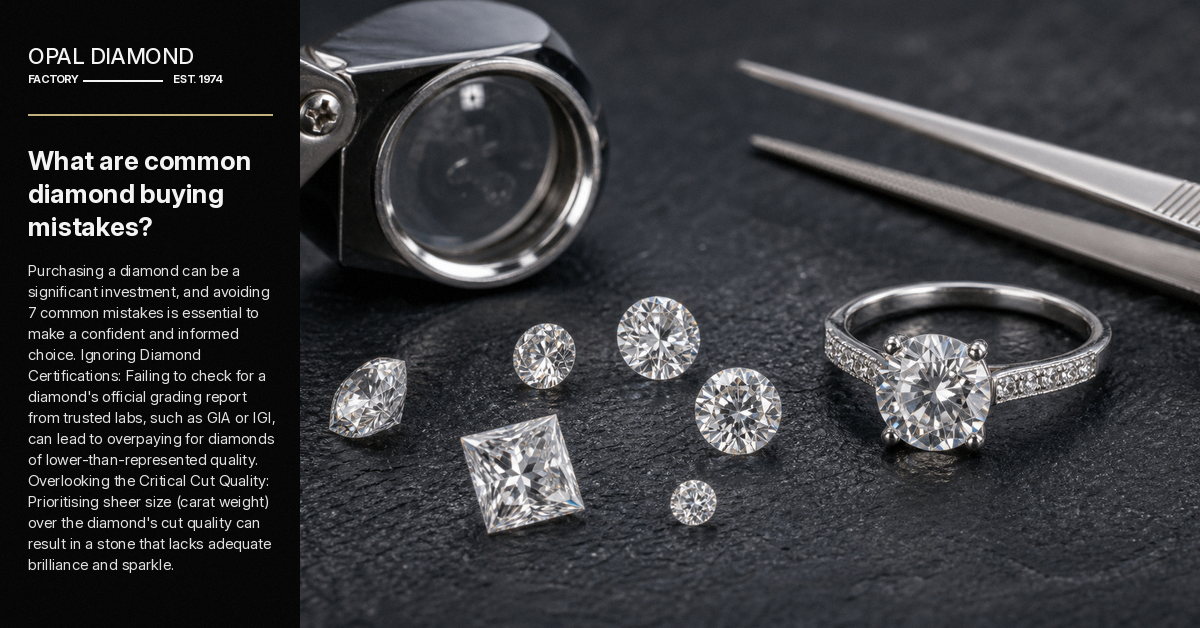
What are common diamond buying mistakes?
Purchasing a diamond can be a significant investment, and avoiding 7 common mistakes is essential to make a confident and informed choice.
- Ignoring Diamond Certifications: Failing to check for a diamond’s official grading report from trusted labs, such as GIA or IGI, can lead to overpaying for diamonds of lower-than-represented quality.
- Overlooking the Critical Cut Quality: Prioritising sheer size (carat weight) over the diamond’s cut quality can result in a stone that lacks adequate brilliance and sparkle.
- Focusing Solely on Carat Weight Size: Understanding that bigger isn’t always better-you should choose a harmonious balance of carat weight, cut quality, clarity grade, and colour grade for overall beauty.
- Skipping Detailed Comparative Shopping: Not comparing diamond options from multiple reputable retailers can prevent you from finding the best combination of quality and monetary value.
- Underestimating the Setting’s Importance: Selecting a poor-quality or mismatched ring setting can negatively affect both the diamond’s aesthetics and its long-term security.
- Ignoring Potential Fluorescence Effects: Failing to check for the presence and strength of diamond fluorescence can lead to unexpected bluish or oily appearances under certain lighting conditions, primarily sunlight.
- Buying Without a Clear Return Policy: Purchasing a diamond without a transparent and reasonable return or exchange policy can leave you committed to a piece that does not meet your expectations.
Avoiding these 7 common mistakes ensures a smarter, more confident diamond purchase.
How to plan a diamond jewellery budget?
Planning a budget for diamond jewellery requires careful consideration of various factors to ensure a satisfying purchase. Effective budget planning involves 3 key steps: evaluating one’s personal finances thoroughly, setting a realistic maximum spending limit, and understanding current engagement ring trends and popular diamond shapes.
Buyers should avoid common purchasing mistakes by prioritising certified quality appraisal over the lowest price alone. This strategic approach helps ensure a confident investment in pieces, such as diamond stud earrings or drop earrings, reflecting both personal taste and enduring value.
Do diamonds hold their value?
Understanding the long-term monetary value of diamonds is essential for any buyer. Well-chosen diamonds, including popular diamond shapes, such as the pear cut and other elongated shapes like the marquise or oval cut, generally hold their value relative to prevailing market conditions, though they are not typically considered a short-term liquid investment.
Several factors, such as the subtle lack of colour in near-colourless diamonds or the specific hue of fancy yellow diamonds, or the market rarity of natural, untreated black diamonds, can affect resale potential. The craftsmanship and material of the setting for items, such as rings and stud earrings crafted from 14k rose gold or other precious metals, such as platinum or white gold, may also influence overall worth over time.
Related diamond guide: What are popular diamond shapes and their secrets of symmetry and shape perfection?.